High winds are one of the most common causes of roof damage in Colorado, especially along the Front Range, where sudden gusts can lift or loosen shingles without obvious signs of damage. After the recent high winds across Boulder County, many homeowners are asking the same question: How do I know if my roof was damaged by wind?
The problem with wind damage to your roof is that it's not always obvious right away. However, many of the most common signs will show up around your home, not on the roof itself. Common signs that you have roof damage from wind include:
Shingles in your yard, lawn, or driveway
Uneven or patchy areas along the roofline
Granules in gutters or downspouts
Tree limbs or debris that hit the roof
If you notice any of these signs, a free roof inspection can help determine whether the damage is cosmetic or something that needs attention. So let’s dive a little deeper into each one.
1. Shingles Blowing Off Neighbors' Roof or Found in Your Yard, Lawn, or Driveway After High Winds
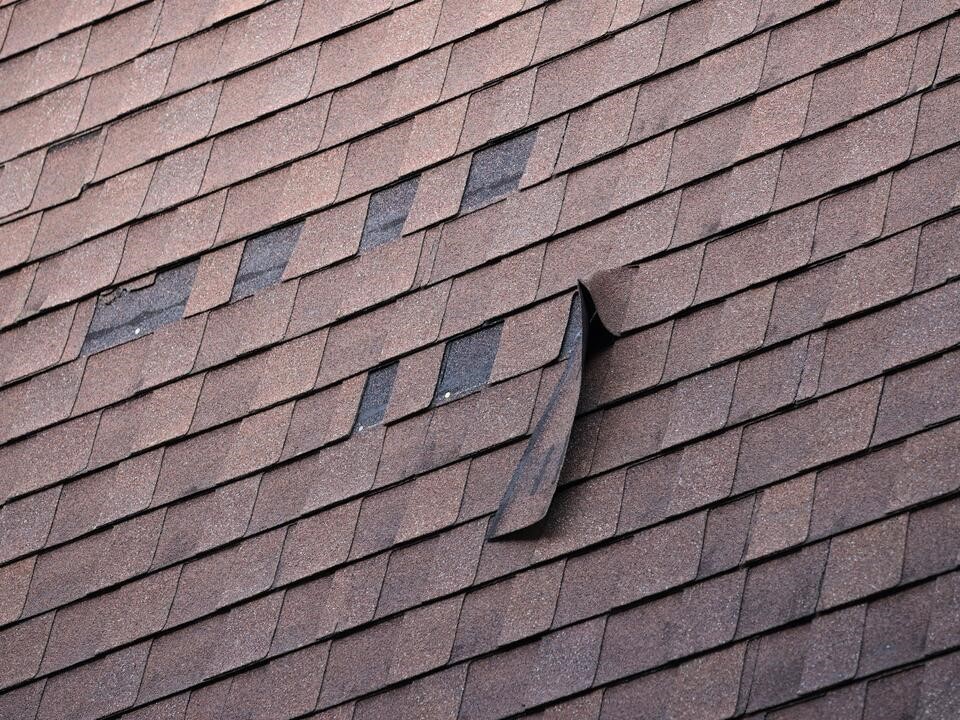
If you find shingles in your yard, that’s definitely one of the clearest signs of roof damage. Even if it's just one shingle, it often means:
The surrounding shingles were loosened
Adhesive seals on the roof have been broken
Wind found a vulnerable portion of the roof that's now exposed
Shingles can also land in trees, fences, or neighboring yards, so definitely take the time to look and ask around.
2. Uneven or Patchy Areas Along the Roofline
From the ground, look at your roof’s edge and ridgelines. You are looking for:
Gaps where shingles should be
Shingles that look lifted, crooked, or out of alignment
Areas that look smoother or darker than the rest of the roof
These often mean that even if you didn't get shingles fully blown off, some shingles were partially lifted by the wind and may not be properly sealed.
3. Granules in Gutters or Downspouts After High Winds
After high winds, it's important to check:
gutters
downspout exits
and any areas where water drains off the roof
If you see granules in your gutters, downspouts, or yard, this could be a sign that you have damage to the roof that's not as easy to see from the ground.
4. Tree Limbs or Debris Hit My Roof
You just had high winds in your neighborhood, and you’re wondering about roof damage, but sometimes it's not just the wind directly damaging the roof; damage from branches or debris can also cause some problems. Even if a branch didn't punch through the roof, branches and debris hitting your roof can:
Crack shingles
Knock granules loose
Weaken areas that later leak when it rains or snows
If a tree limb fell on or near your roof, it's worth having that area checked out.
After high winds its important to take a walk around your home to check for these signs of roof damage. What you should not do:
Don’t ignore small signs, assuming they mean nothing.
Don’t wait until water shows up inside to investigate.
Don’t climb on your roof, especially in winter conditions. Get a professional to inspect for damage.
What you can do now:
Walk your property and take photos and note of anything unusual
Note where shingles, debris, or damage appear
Get a free roof inspection so you can know what’s really going on
After high winds, we’ve helped many homeowners discover damage they never would have noticed on their own. Colorado’s combination of high winds and snow makes early inspections especially important. Catching it early, especially before snow arrives, can prevent bigger issues later.
If you’re unsure about what you’re seeing, a free roof inspection can help you understand your roof’s condition and next steps.
FAQ for Roof Damage after High Winds
Q: Can wind damage a roof without causing leaks right away?
A: Yes. Wind can lift or loosen shingles without creating an immediate leak. Problems often show up later, especially after snow, rain, or freeze-thaw cycles push moisture into weakened areas.
Q: What does it mean if I find shingles in my yard after high winds?
A: It usually means shingles were blown off or loosened. Even one shingle can indicate broken seals or vulnerable areas nearby that may allow water in during the next storm.
Q: What are the most common signs of wind damage I can see from the ground?
A: Common signs include shingles in the yard, patchy or uneven rooflines, shingles that look lifted or out of alignment, granules collecting in gutters/downspouts, and evidence of debris or branches striking the roof.
Q: Is it safe to climb on my roof to check for wind damage?
A: No, please don’t, especially in winter conditions. Roofs can be slippery and unstable after high winds and snow. It’s safer to inspect from the ground and get a professional evaluate the roof up close.
Q: Why is wind damage more urgent when snow is coming?
A: Snow can melt and refreeze, forcing moisture into small openings created by loosened shingles. Wind damage plus snow increases the risk of leaks and interior damage.
Q: What should I do before snow covers the roof?
A: Walk your property, take photos of shingles/debris, note where you see damage, and schedule an inspection. Documentation is helpful whether you repair it directly or need it for insurance later.
Q: Will my insurance cover wind damage to my roof?
A: Many policies cover sudden wind damage, but coverage depends on your policy and the condition of the roof. Often, if you are seeing common signs of roof damage after high winds, the repair will cost less than your deductible. Documentation and a professional inspection can help determine what’s going on and what options you have.
Q: Is wind damage on roofs common in Boulder County and Longmont?
A: Yes. High winds along the Front Range can loosen or lift shingles, especially at roof edges and ridgelines. After major wind events, it’s common for homeowners to find shingles in yards or see debris-related roof impact.
Tags
Subscribe to WestPro's Blog





Comments